FREE IN-HOME MEASURE · INDIANAPOLIS, IN(317) 854-7158
Every era, measured on site

Custom Window Treatments in Indianapolis, Indiana

Blinds, shades, shutters and drapery measured in your Indianapolis home. Bungalow, mid century, or built last year, we measure for the house you actually have instead of guessing from the era.

If we're busy with another customer and miss your call, leave a message and we'll call you back.

★★★★★
4.8497+ Google reviews
Quick Answer

Straight answers for Indianapolis: prices depend on your sizes and product tier, timelines depend on the factory, and the measure is free. Everything else people ask about is covered in the questions below.

  • Services: faux wood blinds, wood blinds, vertical blinds, aluminum mini blinds
  • Service area: Indianapolis, Marion County, IN and surrounding areas
  • The measure gets scheduled quickly. The build does not, because your fabric or shutter panel is cut to your numbers after you order. Two to five weeks is normal. Service calls skip that step entirely.
  • Insured and bonded
  • Serving Indianapolis, IN since 2008
No Cost, No Obligation

Schedule Your Free In-Home Measure

We measure in your house, in your own light, with the sample cards on your floor rather than under showroom lamps. Openness factor is the thing nobody can judge from a book: 1%, 3%, 5% and 10% look completely different held against a west window over Fall Creek than they do in a shop. Every opening gets three widths, three heights and a diagonal, and mounting depth gets confirmed at the stop against the product line you're actually considering.

Assessment at no charge
Every opening measured three ways in Indianapolis
Insured and bonded
Written scope and lead time before you order

I agree to be contacted by Indianapolis Window Treatments regarding my inquiry.

Indianapolis isn't one housing market, and a page that pretends otherwise is no use to you. The ACS counts 401,428 housing units inside the city balance and they break down as 63,149 built before 1940, 174,653 between 1940 and 1979, 91,003 across the eighties and nineties, 68,069 from 2000 to 2019 and 4,554 since 2020. That's a century and a half of construction under one city name, and it means the answer to a simple question like whether an inside mount will hold changes street by street. So we measure for the house in front of us. You hear which of your openings can carry an inside mount before anybody opens a fabric book.

Once the numbers are recorded, the order goes to the fabricator and fabric gets cut to your finished width. That's the point of no return, which is why we'd rather spend an extra ten minutes at your Indianapolis windows than discover a mistake on install day. Custom product isn't returnable for a size error. Every reputable shop in Marion County works the same way, and the ones who don't verify are the ones who eat the reorders.

Indiana doesn't issue a statewide license for this trade, so nobody in Indianapolis can honestly wave one at you. What we can do is put the whole scope in writing. The Indiana Home Improvement Contract Act applies to residential work over $150 and requires a written contract with the scope, the dates and the total price. You should get that from whoever you hire, us included.

4.8★
Google Rating
497+
Google Reviews
18
Years Experience
Free
Inspections
New Construction

Built in the Last Few Years?

Many of our Indianapolis customers moved into a house built by one of these companies. Builder blinds are usually stock sizes trimmed to fit, so if yours came with the house and never ran right, that is why. We measure the openings as built rather than off the plan.

D.R. Horton
Lennar
Pulte Homes
Fischer Homes
David Weekley Homes
Ryan Homes
M/I Homes
Drees Homes
Beazer Homes
Olthof Homes
AR Homes

Named for identification only. Indianapolis Window Treatments is an independent company and is not affiliated with, endorsed by, or acting as a representative of any homebuilder listed.

Local Knowledge

What Matters at the Window in Indianapolis

What our crew has learned working in Indianapolis homes.

About Indianapolis Homes

Indianapolis's median house dates to 1973. Build era shares on the parcel record run pre-1940 15.7%, 1940-1979 43.5%, 1980-1999 22.7%, 2000-2019 17%, 2020+ 1.1%. Median home value is $224,800. Four regimes, and unlike the small towns they are geographically separable. 15.7% is pre-1940 with real wood jambs, applied casing, sash weight pockets and frequent storm sash - concentrated in the near downtown districts, Irvington and the north side corridors. 43.5% is 1940-1979, the shallow jamb and aluminum slider regime, spread across the post war ring. 22.7% is 1980-1999 drywall return with generous depth. 1830-1900 Federal, Greek Revival, Italianate, Second Empire, Gothic Revival, Queen Anne, Eastlake and Stick Style in the near downtown districts; 1900-1930 American Foursquare and Craftsman bungalow across Irvington, Broad Ripple, Meridian-Kessler and Butler-Tarkington; 1915-1940 period revivals -.

Where We Work in Indianapolis

We cover homeowners across Indianapolis near Monument Circle (itself an IHPC historic district), the Benjamin Harrison Presidential Site, the James Whitcomb Riley Museum Home at 528 Lockerbie Street, the Indianapolis Museum of Art at Newfields, Butler University and Hinkle Fieldhouse, the Indianapolis Motor Speedway.

Surrounding Areas We Serve

Our crew also covers Irvington, Fountain Square, Herron-Morton Place, Lockerbie Square, Chatham Arch, Old Northside, Woodruff Place, Meridian-Kessler, Broad Ripple, Butler-Tarkington.

Recent Weather Patterns

Central Indiana sits in IECC climate zone 5A, which means a real cooling load and a real heating load on the same window. NOAA's 1991-2020 normals for Indianapolis put the July average high at 85.2F, the January average high at 36.1F and the January average low at 20.9F, with the muggy season running May 25 to September 22. Indianapolis has the widest canopy range of any place in this project, and it maps almost exactly onto plat date.

What Our Crew Sees in Indianapolis

Every vocabulary in this project occurs somewhere in Indianapolis, which is the point. The pre-1940 districts carry tall narrow double hungs with very high heads, door transoms and sidelights, bay and oriel windows, round arched and segmental masonry heads, leaded and multi light sash on the Tudor Revival stock, and stair windows on half landings.

The Team

Who Actually Turns Up in Indianapolis

The same people measure, order and install. Customers name them in reviews, which is the point: you are not getting a subcontractor you have never heard of.


Josh, Owner
Josh
Owner
Ryan, General Manager
Ryan
General Manager
Justin, Production and Sales
Justin
Production and Sales
Max, Production
Max
Production
Eril, Production
Eril
Production
Handy, Installation
Handy
Installation
Mende, Installation
Mende
Installation
Paula, Office
Paula
Office
Kelli, Office
Kelli
Office
Juan, Installation
Juan
Installation
Jason, Sales
Jason
Sales
Renee, Business Developer
Renee
Business Developer
Current Offers

What We Are Running in Indianapolis Right Now

Both offers apply to work quoted and ordered while they are posted here. Ask about them at the in-home measure and we will put the discount on the written quote before you decide anything.

Offer 1

$500 Off Your First Exterior Screen, Plus a Free Motorization Upgrade

Take $500 off your first exterior screen and we will add the motorization upgrade at no charge. Exterior screens stop solar heat outside the glass, which is the only place you can stop it before it is already in the room, and a motor is the difference between using one and forgetting it.

Applies to a first exterior screen. Ask at the measure so the discount is on the written quote before you order. Motorized product runs on batteries that need replacing, about a year on Hunter Douglas PowerView.

Ask about this offer
Offer 2

Free Motorization Upgrade on Select Interior Shades

Pick from the qualifying interior shade lines and the motorization upgrade is free. It is worth most on the openings you would otherwise leave alone: tall great room glass, anything above a stair, and the west windows nobody remembers to close by four.

Select interior shade lines only. We will tell you at the measure which of your openings qualify. Batteries are a real running cost and are not included.

Ask about this offer
Flexible Financing

Payment Options That Work for You

Your Indianapolis Window Treatments project lead will walk you through every financing option during the assessment. Terms in writing, no pressure, no surprise charges.

Deferred Payment Plans

Start the work now and begin paying later. On a whole-house order this is how people phase a large job without phasing the install.

  • Payments deferred for a promotional period
  • Rate and period set by the lender
  • Quoted price held for the order
Equal Payment Plans

Divide the project cost into equal monthly payments across a fixed promotional period, so the budget is predictable from day one.

  • Equal monthly payments
  • Fixed promotional period
  • Simple, predictable budgeting
Long-Term Financing

Spread a larger window treatment project across a longer term with fixed equal payments, for homeowners who want the lowest monthly amount.

  • Extended terms available
  • Fixed equal payments
  • Suited to larger window treatment projects
Ask About Financing

Financing is arranged through third party lenders and is subject to credit approval. Rates, terms, and promotional periods are set by the lender and disclosed to you in writing before you sign. Ask your project lead which programs are open right now.

Free In-Home MeasureMeasured In Your HomeLocal CrewWritten ContractDocumentation Done RightTrusted WorkmanshipHomeowner ApprovedWritten Scope Every TimeFree In-Home MeasureMeasured In Your HomeLocal CrewWritten ContractDocumentation Done RightTrusted WorkmanshipHomeowner ApprovedWritten Scope Every Time
Professional Services

Our Indianapolis Window Treatment Work

From one room to a whole house, Indianapolis Window Treatments measures every opening, orders it custom, and installs it with the same crew that took the measurements.

Faux Wood Blinds in Indianapolis

Color gets picked in the room, not out of a book under store light. A white that reads warm on a north-facing Indianapolis wall reads cooler on the south. It'll slow fading on your floors without stopping it, since NFRC attributes 40 to 60 percent of fade damage to UV.

Learn more

Wood Blinds in Indianapolis

The ladder string runs through routed holes in every slat, and each hole passes a pinpoint of daylight you can't tilt away. Decorative cloth tapes cover those holes and change the look at the same time, which is why so many Indianapolis orders end up with tapes on them.

Learn more

Vertical Blinds in Indianapolis

Indianapolis Window Treatments is insured and bonded and works from a written contract, which Indiana requires on residential jobs over $150 under IC 24-5-11. Your Indianapolis paperwork spells out the vane material and the draw direction next to a total price, so nothing's decided from memory.

Learn more

Aluminum Mini Blinds in Indianapolis

Stacked at the top, a 1 inch blind gives you the smallest stack in the business. A small slat means a small stack and more visible glass. That's a genuine advantage on a short Indianapolis window where a 2 inch faux wood would swallow the top of the view.

Learn more

Roller Shades in Indianapolis

A cassette needs more mounting depth than a bare roll does. Shallow Indianapolis trim may take the tube and refuse the enclosure, so you're choosing between an exposed roll inside the opening and a cassette mounted outside it. We measure the depth before quoting either one.

Learn more

Solar Shades in Indianapolis

Screen fabric gets discontinued more often than you'd expect, and openness levels get renumbered between manufacturers. If a Indianapolis room might get a second shade someday, order the fabric now or accept that the pair won't read as a matched set.

Learn more

Cellular Shades in Indianapolis

Cellular and honeycomb shades for Indianapolis. The trapped air in the cells is the point, and DOE and ORNL testing measured up to 20 percent heating energy savings against a bare window. Single and double cell, light filtering through blackout, cordless and top-down bottom-up.

Learn more

Zebra Shades in Indianapolis

In January a Indianapolis window is the coldest surface in the room, and a single-layer shade doesn't do much about that. If winter comfort is the complaint rather than daytime privacy, cellular is the honest answer and we'll say so before you order zebra.

Learn more

Roman Shades in Indianapolis

Romans belong where a room is trying to look finished, like a Indianapolis dining room or a front window that gets photographed. They bring fabric and softness to a window and they don't need the yardage or the floor space a drapery panel does.

Learn more

Woven Wood Shades in Indianapolis

A natural shade plus a valance needs mounting depth. Older Indianapolis trim often won't take both inside the opening, and a valance hung proud of shallow trim looks like an afterthought. Outside mount solves it, and on this product it usually looks better anyway.

Learn more

Blackout Shades in Indianapolis

The disclosure first: an inside-mounted blackout shade leaks light down both sides. Lutron publishes three quarters of an inch per side on Roller 20/64, plus a sixteenth-inch factory deduction. A dark Indianapolis room comes from an outside mount or from side channels, and it doesn't come from fabric alone.

Learn more

Plantation Shutters in Indianapolis

Closed shutters put a solid panel and a still air layer at the glass, which helps a Indianapolis room in a January cold snap and cuts direct sun in July. It's the most substantial thing you can hang on a window without motors, and it still isn't insulation.

Learn more

Cafe Shutters in Indianapolis

Here's the limit nobody mentions. The top half stays uncovered, so afternoon glare and summer sun come straight in over the panels. If a Indianapolis room has a heat or a glare complaint alongside the privacy one, cafe shutters are solving half of it.

Learn more

Motorized Shades in Indianapolis

Motors have a sound, and the cheap ones announce themselves. In a Indianapolis bedroom you'll notice a fast shade with a whine far more than a slower one running quietly, so we'd rather demonstrate speed and noise than describe either on a spec sheet.

Learn more

Custom Drapery in Indianapolis

Drapery doesn't go in a washing machine. Most made panels are dry clean only and will shrink or pull at the hems if they get wet, so the real routine in a Indianapolis house is vacuuming the face with a brush head and steaming out a crease.

Learn more

Valances & Top Treatments in Indianapolis

If a top treatment might get repeated in another room later, buy the fabric in one run. Dye lots shift between weaves and they don't shift back, so a Indianapolis cornice hung two years after its match will read slightly off in daylight even though it looked identical in the box.

Learn more

Exterior Solar Shades in Indianapolis

Cost climbs with width, with the track system and with the motor, and a Indianapolis quote should separate those so you can see what you're buying. A wide opening on cable guides with a manual crank sits well below the same span on a motorized zip track.

Learn more

Retractable Awnings in Indianapolis

A pergola or a solid cover is permanent shade and permanent shadow. A retractable awning gives the Indianapolis patio full sun in April and full shade in July, which most people actually want, and the tradeoff is that it needs your attention and a permanent one doesn't.

Learn more

Commercial Window Treatments in Indianapolis

High-traffic areas need durable hardware, not only durable fabric. A shade in a Indianapolis corridor or a fitness area gets operated by people who don't own it, so metal components, a protected chain, a properly anchored tensioner and a rugged control all outlast a spec chosen purely on fabric price.

Learn more

Skylight Shades in Indianapolis

If a Indianapolis house is still under construction, run power to the skylight before the ceiling closes, because you won't get that chance again. A hardwired overhead motor removes the battery question permanently, and the cost of that wire during a build is nothing compared to opening a finished ceiling later.

Learn more

Sliding Glass Door Blinds in Indianapolis

In January, with Indianapolis normals near a 20.9F low, a big glass door sheds cold into the room all night long. A cellular or a lined treatment across a Indianapolis slider slows that drift, and it'll do more for how the seating area feels than the thermostat does.

Learn more

Panel Track Blinds in Indianapolis

Floor clearance is worth getting right, and it's easy to miss. Panels hanging a fraction too low on a Indianapolis track will drag on carpet and eventually fray at the bottom edge, so the finished length gets set to the actual floor at each end rather than to one measurement.

Learn more

Sheer Shades in Indianapolis

With the vanes fully open you get a genuine view, and it's better than people expect from a fabric product. The sheer facings are fine enough that a Indianapolis backyard stays legible, which is the argument for these over a light filtering roller that flattens everything.

Learn more

Pleated Shades in Indianapolis

Care is dusting, and that's most of it. A vacuum brush on low suction along the folds keeps a Indianapolis pleated shade looking new, and compressed air clears the vane pockets. Water and scrubbing will mark the fabric permanently, so neither belongs anywhere near it.

Learn more

Bamboo Shades in Indianapolis

Natural material runs in lots the way dyed fabric runs in dye lots, and the variation is wider. A Indianapolis client who adds a fifth window a year after the first four will almost certainly see a difference in tone, so we'd suggest doing the whole room at once.

Learn more

Dual Shades in Indianapolis

Dual and banded shades for Indianapolis homes. Alternating sheer and opaque bands on one roller tube, so a single shade covers the daytime view setting and the nighttime privacy setting without a second treatment on the window.

Learn more

Top-Down Bottom-Up Shades in Indianapolis

Two rails on one shade means the covering doesn't have to start at the bottom. Drop the top rail and a Indianapolis room takes daylight in over the top while the bottom stays closed against the sidewalk, which is a thing no single-rail shade can do at any price.

Learn more

Cordless Blinds in Indianapolis

Cordless is the standard lift on most current lines, so it isn't usually what drives your number. Width, slat material, opening count and finish all are. Nationally custom blinds run $250 to $2,600 per window against $60 to $600 for stock sizes, and Indianapolis orders sit inside that published spread.

Learn more

Hardwood Shutters in Indianapolis

In January, when the daytime average sits near 36F, a closed shutter panel puts a rigid layer and a pocket of still air in front of cold glass. It won't match a cellular shade for measured heating numbers, but a Indianapolis room with shutters stops feeling like it has a draft at the window.

Learn more

Composite Shutters in Indianapolis

For a Indianapolis rental or a property that turns over, composite is the pragmatic specification. It survives cleaning between tenants, it doesn't stain from a leaning wet towel, and there's no cord for a new occupant's child to reach. Panels get wiped down rather than restrung.

Learn more

Smart Home Shade Integration in Indianapolis

Matter promises that devices from different makers cooperate, and it's genuinely better than what came before. It isn't magic. Feature support varies by manufacturer and by firmware version, so we test the specific combination in your Indianapolis house before promising a behavior you'll rely on daily.

Learn more

Blind Repair & Restring in Indianapolis

Parts go out of production. Blind lines get discontinued, and a fifteen year old headrail can use a cord lock nobody makes anymore. We look for a functional substitute first, and where there isn't one, the honest answer for that Indianapolis opening is a new blind rather than a repair.

Learn more

Shutter Repair in Indianapolis

Timing on shutter repair depends on parts, not on labor. Stocked hardware moves quickly, while a custom panel is a fabrication order and lands on the same two to five week schedule as new work. A Indianapolis customer gets told which of those they're waiting on.

Learn more

Motorization Retrofit in Indianapolis

Tube diameter is the first measurement. A motor has to fit inside the roller tube and drive it, and an undersized tube on an older Indianapolis shade simply won't house one. Where it doesn't fit, re-tubing the existing fabric is sometimes possible and sometimes not worth the labor.

Learn more

Outdoor Patio Shades in Indianapolis

Nationally, retractable awnings run $1,000 to $6,000 installed, and exterior shade systems sit in similar territory depending on span and drive type. What moves a Indianapolis number most is the width of the opening and whether the structure needs reinforcement before anything's hung on it.

Learn more

Office Window Treatments in Indianapolis

Hardware quality shows up in a shared space. Shades in a Indianapolis office get operated by people who didn't choose them and don't own them, so metal brackets, a protected chain, a metal bottom rail and a clutch rated for the cycle count outlive a spec written entirely around fabric price.

Learn more

Healthcare Window Treatments in Indianapolis

Motorized shades in clinical spaces need a power decision early. Battery operation means a recurring service task, since Hunter Douglas puts PowerView battery life at about a year, and a Indianapolis facility with dozens of motorized openings is usually better served by hardwired power that's planned during construction.

Learn more

Multifamily Window Treatments in Indianapolis

Turn windows are short and unforgiving. A Indianapolis property flipping units between leases can't wait on a two to five week fabrication run for one bedroom, which is why the spec should be something held in inventory against the community rather than built to order each time.

Learn more

Josh LeClair founder Indianapolis Window Treatments
Josh LeClair
Founder
About Us

Local Expertise, Real Results

Mounting depth isn't a property of a house, it's a property of an opening. In a 1907 Herron-Morton house with plaster returns and a 1998 addition on the back, one wall will take a cassette and the other won't.

Indianapolis Window Treatments is built around one uncomfortable fact: custom fabric can't be uncut. Everything we do before an order in Indianapolis exists to make the numbers right, and everything after it exists to hang those numbers properly. That's why measures across Marion County take as long as they do, why we read the specification back before it goes out, and why we won't quote custom product from a photograph.

What genuinely separates working here from working in the suburbs is that Indianapolis has design review with teeth. The Indianapolis Historic Preservation Commission administers 17 districts, 12 of them historic districts and 5 of them conservation districts, and the trigger in IC 36-7-11.1-9(a) is exterior work: nobody may construct, reconstruct, alter or demolish an exterior architectural feature in one of those areas until an application for a certificate of appropriateness has been filed. Interior blinds, shades and shutters sit outside that. An awning or a solar shade fixed to the outside of the building doesn't. It's the same product on the same window, and which side of the glass it goes on decides whether you need a certificate.

The second thing is that Indianapolis has no single orientation rule, because it has at least five street geometries running at once. Most of the near north and near south grid is cardinal, so one side of every north south street takes the afternoon square in the face. Massachusetts Avenue and Virginia Avenue cut across that grid diagonally and throw acute angled corner buildings toward intermediate directions. Irvington, Golden Hill and Forest Hills were laid out curvilinear on purpose, so two neighbors face different ways. Geist, Warfleigh and Rocky Ripple sit against open water with nothing between the glass and the surface. Woodruff Place faces its own planted esplanades. We ask which way the room looks before recommending an openness factor.

Our Promise

You'll get the district answer before the price: whether your address falls in one of the 17 IHPC districts, and so whether anything mounted outside the glass needs a certificate. Then a measure that treats every opening as its own problem, and a written contract with scope, dates and the total on it.

Why Indianapolis Chooses Us

Why Indianapolis Designers Send Us Their Clients

Serving Indianapolis and Marion County with quality materials, thorough inspections, and transparent pricing.

We read the district map first

Before quoting an exterior awning or an exterior solar shade we check whether the address sits inside one of the 17 IHPC districts, because that decides whether a certificate of appropriateness stands in the way. Twelve are historic districts and five are conservation districts, and exemptions are set separately in each district's adopted preservation plan under IC 36-7-11.1-7(a). Interior product is a different conversation, and we say which one you're having.

Plaster and lath get anchored properly

63,149 Indianapolis housing units predate 1940 and most of them carry plaster over wood lath rather than drywall. A bracket screw driven into plaster without finding the stud or the casing behind it will pull out, and it takes a dinner plate of finish with it when it goes. We carry anchors rated for lath, plaster, masonry and steel stud, and we find the substrate before the drill comes out of the bag.

Every opening measured three ways

237,802 city housing units, 59.2% of the stock, went up before 1980, so out of square is the default assumption here rather than the exception. We take three widths, three heights and a diagonal at every opening, reduce laser readings by a sixteenth and specify to the nearest sixteenth. Where the diagonal says an opening has racked too far for an inside mount, you hear it at the measure instead of after the product has been built.

We disclose the annoying parts early

Light gaps on inside mounts, batteries on motorized jobs, wood movement in humid rooms and dye lots when you add a window next year are the four things customers find out about too late. Lutron publishes three quarters of an inch per side on Roller 20 and 64. Hunter Douglas states PowerView battery life is about a year. You get told before the order goes in, in writing, not after it arrives.

Our Process

How We Close Out a Indianapolis Job

Six steps, and the first two happen before anybody opens a fabric book. On an Indianapolis job the district question and the measure decide most of what's actually possible, so we settle those first and pick product against what the openings will carry rather than the other way round. Custom fabrication typically runs two to five weeks, so sequence matters more than speed.

Address and district check

We check the address against the IHPC district map before anything else, because it changes what's on the table. If you're inside one of the 12 historic districts or 5 conservation districts, exterior awnings and exterior solar shades need a certificate of appropriateness and interior product doesn't. If you're in a National Register district that isn't an IHPC district, nothing needs one at all.

The in home measure

Three widths, three heights and a diagonal at every opening, laser readings reduced by a sixteenth, mounting depth confirmed at the stop against the specific cassette or headrail. We photograph existing conditions, particularly out of square openings and damaged casing, and we find the substrate behind the trim: plaster and lath, drywall, masonry or steel stud.

Product against the room

Material gets chosen against humidity and exposure rather than price. Composite in wet rooms, hardwood only where the room stays conditioned. Openness factor picked against the actual view and the actual elevation. Roll direction decided now rather than at install, and checked against handles and locks. Everything in one room ordered from one dye lot.

Order, install, dress

Two to five weeks of fabrication on most lines, longer on specialty shapes and motorized configurations. At install we set upper and lower travel limits on every motor, build and test scenes with you present, steam and dress drapery so the panels break correctly, and leave written instructions for re pairing after a battery change.

Common Causes

What we see most often on Indianapolis window treatments

Indianapolis homeowners typically call us about these scenarios.

Great Room Glass Nobody Can Reach

Two stories of window above a fireplace, blazing in the afternoon and freezing at night, and no realistic way to operate a manual shade. Households live with it bare for years. Motorized shades on that wall aren't a luxury, they're the only version of the product that will actually get used.

A New Build With Every Opening Bare

Moving into a new Indianapolis home with sheets taped over the bedroom windows is a rite of passage. The instinct is to do the whole house at once. Usually the better plan is the bedrooms and the west-facing living space first, then the rest in a second phase once you know how you actually use the rooms.

Nobody Explained The Light Gap

An inside mounted shade was installed and the customer can see daylight down both sides. Nothing is faulty. Lutron publishes inside-mount gaps of about three quarters of an inch per side on their roller systems, and taller shades get more. Had that been stated in writing before the order, the room would have been designed differently.

Hardwood Shutters Cupping In A Bathroom

Timber louvers in a room with a shower running twice a day through a muggy central Indiana summer will move, and once they have cupped they don't come back. It's the most expensive avoidable mistake in this product. Composite in wet rooms and hardwood everywhere else is the specification that lasts.

A Shade That Rubs And Has Worn

The opening narrows toward the bottom, the shade was measured at the top only, and now one edge of the fabric is fraying where it has been dragging for two years. Three widths at three heights prevents this entirely. Once the fabric is worn, it's a rebuild rather than an adjustment.

A Baby Arriving In Three Months

Parents want the nursery dark and they want the cords gone. Both are solvable and neither is automatic. ANSI/WCMA A100.1-2022 pushed the market toward cordless and inaccessible-cord designs, and genuine darkness in an Indianapolis bedroom needs edge management rather than just a blackout fabric on an inside mount. We would rather have that conversation before the nursery gets painted.

How We Work

Five Stages, In This Order

Custom window treatments are made to your openings, so the order matters more than it does in most trades. This is how every Indianapolis job runs.

1

Free In-Home Measure

Every opening gets three widths, three heights and a diagonal square check, because houses settle and an opening that is out of square is the difference between a shade that runs true and one that binds. Mounting depth gets read at the jamb. It all goes on paper before any product conversation starts.

2

Product and Fabric, In Your Own Light

Samples get looked at in the room they are going in, not under showroom lighting. This is where openness factor, inside versus outside mount, roll direction and material get decided, and where we tell you the light gap you are going to live with.

3

Written Scope and Contract

Opening by opening, with the mount type, the light gap, the operation and the total price in writing. Indiana requires a written contract on residential work over $150 under IC 24-5-11, and we would write one anyway.

4

Custom Fabrication

Your sizes go to the workroom. Two to five weeks is typical depending on product and finish, longer on specialty shapes and motorized configurations. You get the real date at the measure rather than a range.

5

Install and Walkthrough

Brackets anchored for the substrate they are going into, everything checked level and square, motor travel limits set and scenes built with you standing there. Then we show you how it all works and take the packaging with us.

Client Reviews

Reviews on Durability From Indianapolis

4.8 stars across 497+ Google reviews for The Window Valet, who runs this service.

★★★★★

"Window Valet exceeded our expectations with their exceptional service and products. Justin in sales was fantastic, knowledgeable, helpful, and attentive throughout the process. He made choosing our Somfy TaHoma motorized roller shades and zebra blinds an easy and enjoyable experience. The installation by Handy was flawless, with great attention to detail and professionalism."

AG
Alex Goga
★★★★★

"Highly recommend! We had multiple quotes and Window Valet came in well under the others and we got all the products we wanted. Jason was great at going through everything and working with us. Handy did a great install and went above and beyond to help."

EB
Emily Briggs
★★★★★

"Excellent customer service! A friendly and responsive small business. I had both light-filtering and blackout zebra shades installed. I am very pleased with the overall service from sales rep, quality of the material, installation, communication and call-back from the office!"

MB
Mike Barkman
★★★★★

"Handy just installed my zebra blinds. They are so sharp. He was quick with the install and showed me how to properly use them. Thank you."

TJ
Trine Jackson
Common Questions

Questions About Light Gaps in Indianapolis

Straight answers to the questions Indianapolis homeowners ask most.

No. The measure and the written quote are free, and there's a practical reason on top of the sales one. In a city where 59.2% of the housing predates 1980, mounting depth and squareness are properties of the individual opening and nobody can quote them from a phone call or a photograph. We take three widths, three heights and a diagonal on each opening, confirm depth at the stop against the specific product line, and tell you which openings can carry an inside mount. You keep the numbers and the mounting recommendation whether or not you order anything.
Almost certainly not, and the reasoning is worth having. IC 36-7-11.1-9(a) is the section that creates the certificate of appropriateness requirement, and it has exactly two limbs: exterior architectural structures and features, and designated interior structures and features. An interior blind, shade or shutter in a private house is neither. Interior designation exists in the statute for landmark interiors, the kind of space the commission records as individual properties such as Union Station and the Circle Theater, not for the inside of somebody's living room. We'd still say confirm it with the commission if you want that in writing, because exemptions live in each district's own preservation plan.
That's the other side of the line and it usually does need a certificate. An awning or a shade fixed to the outside of the building is an exterior architectural feature, and IC 36-7-11.1-9(a) says nobody may construct one in a historic area until an application for a certificate of appropriateness has been filed. Section 8(a) ties it to permitting: the Department of Metropolitan Development may issue a permit only if a certificate accompanies the application. So the same product sold as an interior shade almost certainly falls outside review, and sold as an exterior shade almost certainly falls inside it, in the same house, on the same window.
No, not where you're spending your own money. Indiana Landmarks puts it about as plainly as it can be put: owners can modify their historic properties as they wish even if they're listed in the National Register, unless federal or state money is involved, and any restriction comes from a local ordinance instead. So a nationally listed house in Meridian-Kessler, Broad Ripple, Butler-Tarkington, Golden Hill or Forest Hills can take an exterior awning or an exterior solar shade with no approval from anybody. An identical Victorian four miles away in Herron-Morton Place needs a certificate. Same city, same statute, opposite answer.
The commission's own published map layer returns 17. Twelve are historic districts: Chatham-Arch and Massachusetts Avenue, Fletcher Place, Fountain Square Historic Commercial, Herron-Morton Place, Irvington, Lockefield Gardens, Lockerbie Square, Monument Circle, Old Northside, St. Joseph, the Wholesale District and Woodruff Place. Five are conservation districts: Cottage Home, Cumberland, Fayette Street, New Augusta and Ransom Place. Fourteen further individual properties carry separate designation. Boundaries matter more than names, because Fountain Square's local district is drawn as three separate commercial polygons and in Lockerbie Square part of the National Register boundary sits outside the locally designated one.
They're recorded as different types in the city's own layer, and Cottage Home is the clearest example. It went on the National Register in 1990 and was designated a conservation district by the commission in 2008, and the conservation boundary, the state boundary and the National Register boundary are three different lines drawn over the same neighborhood. What we won't tell you is that conservation review is automatically lighter, because exemptions get set in each district's adopted preservation plan under IC 36-7-11.1-7(a) and those plans are what actually decide it. Planning exterior work in one? Ask the commission for the plan.
Yes, and it's routine here, but it changes the anchors and the sequence. Roughly 63,149 city housing units predate 1940 and most carry plaster over wood lath. Plaster won't hold a bracket screw on its own. It fractures, and when it lets go it takes a saucer of finish with it. So we find the stud or the casing behind the plaster first, and where there isn't one we use anchors rated for lath rather than the drywall anchors that ship in the product box. On pre-1978 painted surfaces, drilling disturbs paint, which is worth raising before we start rather than after.
Sometimes, and it depends on the opening rather than on the house. A bungalow of that era has real wood jambs with applied casing and a deep enough reveal in principle, but two things eat it: interior storm panels on the room side, and the depth the cassette, roller tube or headrail of your chosen line actually needs, which differs by product. Banded groupings under a broad eave are the awkward ones, because the mullions between units are narrow and there's nowhere for a bracket to land. We check depth at the stop on each opening and tell you which ones convert to an outside mount.
Because 237,802 housing units in this city, 59.2% of the stock, were built before 1980, and the pre-1940 group has been moving on Marion County clay for between 86 and 190 years. An opening that measures 34 and a quarter at the head can measure 33 and seven eighths at the sill. Custom product gets cut to a factory deduction of about a sixteenth per side, so a width taken at one point either binds on one side or shows a wedge of daylight on the other. The diagonal is what tells us whether an opening has racked far enough to force an outside mount. A shade cut to a bad number isn't a warranty item, it's a remake.
That's the single most common opening in this city's biggest era block. 174,653 units went up between 1940 and 1979 and the picture window is what most of them put on the front. Two problems arrive together: the run is wide enough that a single headrail sags visibly, and the jamb is shallow because the wall is thin. We usually split it into two treatments under one continuous fascia or valance so the sightline still reads as one, or take it outside the opening entirely and mount to the header and casing. Roller shades and cellulars both handle it well. A single 96-inch headrail on a shallow jamb does not.
Two story great room and foyer glass arrived in Indianapolis with the 91,003 units built across the eighties and nineties and is standard in the 68,069 built from 2000 to 2019. Three honest points about it. The upper units need motorization, because nothing else gets operated after the first month. Fabrics 120 inches and taller, or with a height to width ratio of 4 to 1 or greater, get larger light gaps than the published figures, and you should have that number before you order. And the install needs a lift or scaffold, which is a scheduling item rather than a surprise on the day.
We'd rather not, and it's arithmetic rather than policy. Custom product gets cut to a factory deduction, typically a sixteenth of an inch per side, and there's no tolerance left over for a measurement taken at one point on an opening that's been settling since the nineteenth century. Roughly 63,149 city houses predate 1940. If your number is a quarter inch generous the shade binds. If it's a quarter inch shy you get a visible strip of daylight down one side for the life of the product. Neither is covered by anybody's warranty, because the product was built to the number it was given.
Typically two to five weeks from order to install, longer on specialty shapes, motorized configurations and commercial submittals. Nothing in this trade is an emergency and we won't pretend otherwise. What does create a real deadline is a date you're working backwards from: a move in, a holiday, a listing photograph. On new work or a remodel, treatments come after paint, trim and flooring, and people who leave the order until the end live with bare glass for a month. Tell us the date at the measure and we'll say honestly whether the line you like can hit it.
It means the fabric doesn't pass light. It doesn't mean the room goes dark. Light comes around an inside mounted shade, not through it. Lutron publishes three quarters of an inch per side on Roller 20 and 64 and thirteen sixteenths on Roller 100, 150 and 300, with a standard factory deduction of a sixteenth per side. True room darkening needs an outside mount, side channels or a light blocking pocket, and it costs more because of the extra hardware. This is the most common expectation failure in the trade, and we'd rather have the conversation before the order than after delivery.
Because it's the number that decides whether you end up happy with the product. It's the strip of daylight between the fabric edge and the jamb on an inside mount, it's unavoidable, and it grows on tall openings. Anything 120 inches or taller, or with a height to width ratio of 4 to 1 or greater, gets larger gaps than the standard published figures, which matters on the tall openings in the near downtown districts and on any two story great room wall. We put the expected gap in writing before the order. If that number rules out an inside mount for what you want, better to know now.
Batteries, and it's the most under disclosed number in this trade. Hunter Douglas states PowerView battery life is about one year, depending on shade size, configuration and how often the shade runs. Alkaline wands take eight to twelve AA cells each. On a fifteen shade house that's a real annual line item and a morning of your time, or else a service call. Rechargeable wands and hardwired power change the arithmetic and both cost more up front. Worth knowing too: a battery change can lose travel limits and scene membership, so we set limits at install and leave written re pairing instructions.
Not automatically, and it's worth surveying before you buy rather than after. Masonry, foil faced insulation and metal studs all attenuate the radio path, and shades on the far side of them drop off the network. A lot of the older Indianapolis stock is solid masonry with interior plaster, which is a harder environment than a modern framed house. We survey the path before quoting a large motorized job and put repeaters into the quote rather than into a callback. And if you're bridging proprietary RF into Matter, Thread, Zigbee or Z-Wave, the system inherits the bridge's reliability rather than the protocol's.
Yes, and it's worth knowing they aren't Indianapolis. Speedway is one of four excluded cities under Unigov, with its own council, police, fire department and school corporation. Meridian Hills, Williams Creek, Crows Nest, North Crows Nest and Rocky Ripple are included towns that kept their own elected councils. The commission has no jurisdiction in any of them, so the certificate question that applies in Irvington or Lockerbie Square simply doesn't arise. What can apply instead is the town's own ordinance, which is a different office and a different phone call, and we'll say that rather than guess at it.
Composite or poly, not hardwood, and the reason is the local humidity swing rather than a preference. The muggy season runs about 3.9 months from late May to late September, then a heated winter dries the house out again. Hardwood shutter louvers and stiles cup, bow and twist across that cycle, joints open and painted finishes check at the joints. Faux wood slats and composite shutter material don't. In a bathroom we'll also push you toward an outside mount, because winter condensation on cold glass wicks into hems and cellular pockets behind an inside mounted shade.
They'll slow it. They won't stop it, and anybody who tells you otherwise is selling. The National Fenestration Rating Council attributes roughly 40 to 60 percent of fading damage to ultraviolet, with visible light, heat, humidity, fabric age and dye chemistry making up the balance. So even a fabric that blocks UV very well leaves the other half of the mechanism running. What actually helps is cutting the total load on the worst elevation: a low openness factor on the west side, an exterior shade or an awning where the architecture allows it, and accepting that the south room will age faster than the north one.
Testing says they cut heating energy, and we'll give you the figure rather than a percentage off your bill. DOE and Oak Ridge National Laboratory measured cellular shades saving up to 20 percent of heating energy and up to 15 percent of total heating and cooling energy against a bare window, at an ORNL test house in Knoxville between December 2019 and May 2020, modeled across 15 climate zones. That's a measured test result, not a prediction for your house. Zone 5A gives it a genuine role here, because January averages a 20.9F low across a three month cold season.
More than people expect, but it needs a template rather than a measurement. The near downtown districts and Irvington carry segmental and half round arched heads over masonry openings, and the head profile is curved by design, so a three point measure isn't even sufficient there. We template the arch. From there you can have a fixed arch panel in shutter material matching the units below, a movable sunburst, or a square cut treatment mounted above the spring line that leaves the arch exposed, which is often the better looking answer in a room where the arch is the whole point.
As one order and a phased install. One order matters because fabric comes in dye lots, hardware finishes vary between production runs, and a house ordered in two halves six months apart shows it on the wall. A phased install matters because nobody wants every room open at once. We usually run the public rooms and the primary bedroom first and the secondary bedrooms after. On a house with two story glass we schedule the lift work as its own visit. If you have a hard date, say so at the measure and we'll build the sequence backwards from it.
Possibly not, and we'd rather say so now than explain it later. Fabric is dyed in lots and lots vary. Two shades from the same line and the same color name, ordered eight months apart, can read differently in the same room, most visibly on a wall that gets side light. Hardware finishes drift between production runs the same way. If you know a room is getting more treatments later, the honest move is to order them now and store them, or to accept that the new ones will be a close rather than an exact match. What doesn't work is assuming.
Different problems, same discipline. The industrial conversions downtown, the Lockerbie Glove Factory and the Real Silk Hosiery Mills among them, carry openings on a scale nothing residential has: very wide, very tall, often steel framed in masonry reveals, and frequently with no usable interior mounting depth at all because the frame sits proud of the wall. Those are outside mount jobs almost every time, and the mount goes into masonry rather than into wood. Weight and span are the constraints, so one opening often takes two or three treatments on a shared fascia. We measure the reveal and the substrate before quoting.
Yes, and it's a bigger part of this city than most people assume. 159,622 of the city's 362,961 households rent, 44 percent, which is a far higher renter share than the surrounding market carries. Rental and multifamily work gets specified differently from an owner occupier job: durability and repeatability over fabric choice, a control type that survives turnover, and a schedule that works around occupied units. On commercial and multifamily we check control heights against ADA section 308 reach ranges and the five pound force limit in section 309.4, and confirm whether the occupancy needs NFPA 701 flame propagation tested fabric.
A written contract, and Indiana law is specific about what goes in it. The Indiana Home Improvement Contract Act, IC 24-5-11, applies to residential work over $150, which is essentially every job in this trade. It requires your name and property address, the contractor's name, address, email and owner or officer contact details, the date submitted and the acceptance deadline, a reasonably detailed description of the work, start and completion dates with contingency statements, the total price, disclosure of crew, and signatures with legibly printed names. Violations are deceptive acts under IC 24-5-0.5. You should also have the light gap and the mounting method in writing.
Regularly. Hardwood shutters in a bathroom. An inside mounted blackout fabric in a bedroom where the customer wants actual darkness. A single wide headrail across a 1950s picture window that's going to sag. Motorization in a house full of masonry walls with no repeater in the quote. Woven wood without a liner where the room needs privacy after dark, because the weave passes light in both directions. And an exterior awning inside an IHPC district before anybody has checked that district's preservation plan. Saying no to the wrong product is cheaper for both of us than a remake is.
Indiana Climate

Indiana Weather Affects Window Treatments Year Round

Indiana sees some of the most varied weather in the country. Indianapolis homeowners live in IECC climate zone 5A, which carries a real cooling load in summer and a real heating load in winter. July averages a high near 85F, January averages a high near 36F with lows near 21F, and the muggy season runs from late May into late September. That is why the same window can be the hottest room in the house in July and the coldest in January.

July afternoons on a cardinal grid

On the cardinal grid that covers most of the near north and near south sides, one side of every north south street takes the low afternoon sun straight on. From about four o'clock in July the complaint is glare and heat together. Solar fabric with a stated openness factor cuts it, and an exterior shade or a retractable awning cuts more, because it stops the energy before the glass. Interior blackout fabric handles the glare but far less of the heat.

January and the pre war window wall

January averages a 36.1F high and a 20.9F low across a three month cold season, and the 63,149 pre-1940 houses in this city feel it first. Against a bare window, DOE and Oak Ridge National Laboratory testing measured up to 20% of heating energy saved and up to 15% of total heating and cooling energy. That's measured test data from a Knoxville test house modeled across 15 climate zones, not a promise about your gas bill.

Wood moves across the muggy season

The muggy season runs about 3.9 months and July alone carries 16.6 muggy days, then the heating season dries the house out for three more. Wood moves across that swing, every year, in both directions. That's the technical reason we specify composite or poly shutters and faux wood slats for bathrooms, kitchens, laundry rooms and unconditioned sunrooms, and put hardwood only where the room stays conditioned all year round.

Winter condensation on inside mounts

The same humidity swing produces a service problem nobody warns about at the sale. Winter condensation on cold glass wicks into fabric hems and cellular pockets behind an inside mounted shade, worst behind blackout linings, tight side channels and in bathrooms. You get dark spotting along the bottom rail, a musty smell in the room and staining on the room side face. On a north facing bathroom we'll often push you to an outside mount for that reason alone.

Window Treatment in Indianapolis
Material Guide

Choosing the Right Treatment for Indianapolis Rooms

An honest breakdown of the three we specify most often, and when each one is the right answer.

Cellular Shades

The one product in this trade with measured energy numbers behind it. Trapped air in the cells does the work, and DOE and ORNL testing found cellular shades saved up to 20 percent on heating energy and up to 15 percent on total heating and cooling against a bare window. In a Indianapolis house that matters in January and again in July, which is unusual for one product. Single cell suits most rooms, double cell where the glass is large or the room runs cold. Top-down bottom-up gets you daylight and privacy at the same time.

Both seasonsInsulating$$
Solar & Roller Shades

What you reach for when the complaint is afternoon sun. Solar fabrics come in stated openness factors, and that number is the whole decision: a lower openness cuts more glare and more of the view, a higher one keeps the view and cuts less. On a west or south Indianapolis window this is usually the honest answer rather than blackout, because blackout kills the room. Cassette or fascia hides the roll, and roll direction gets decided at the measure so the fabric does not foul a crank or a lock.

Glare controlKeeps the view$$$
Plantation Shutters

The one that stays with the house. Shutters are a finish rather than a covering, and they do not get replaced every few years. In Indianapolis the material choice is technical rather than a matter of taste: composite and poly in bathrooms, kitchens, laundry rooms and sunrooms, because a four month humid season followed by a dry heated winter will move real hardwood, and hardwood only where the room stays conditioned. Louver size, frame style and divider rail get decided standing at your window.

PermanentStays with the house$$$$
Light Control

See What Each Fabric Does To The Light

Pick a fabric below and the window updates. It's a drawing rather than a photograph, so read it as a rough guide to what each family does in a Indianapolis room, and to what it doesn't do.

Fabric type

Sheer, 10 percent openness

Ten percent of the weave is open, so you keep the view and most of the daylight. Glare drops a little. After dark, once your lamps are on, someone outside can read shapes through it, which is why this belongs on a view window rather than a bedroom.

Openness factor is printed on the fabric card, so you can compare one line against another before you order anything.

Keeps the viewNot private after dark

Solar, 5 percent openness

The usual pick for a west window or a covered porch. You can still read the yard through it, glare comes down noticeably, and the fabric intercepts a good share of the sun before it reaches you at four in the afternoon.

It also cuts the UV landing on floors and furniture. NFRC puts UV at roughly 40 to 60 percent of fading damage, so this slows fading rather than stopping it.

View and glare controlSlows fading

Solar, 3 percent openness

A tighter weave. The room goes dimmer and the view drops back to an outline. Choose it where the sun is the problem and the view is second, which around here usually means a west wall in July. That's a common call on this side of Indianapolis.

Openness affects how much you see out, not how private you are. A 3 percent fabric still shows silhouettes at night.

View becomes an outlineStrong glare control

Solar, 1 percent openness

Close to a solid fabric with a little view left in it. This is the strongest glare control in the solar family.

The trade is that it darkens the room on a gray January day too. Indianapolis averages a January high near 36F and the light is flat, so think about how the room reads in both seasons before you commit.

Darkest solar optionDim on gray days

Light filtering

No view through it. Daylight comes through the face diffused, so the room stays bright without a hot spot across the television or the kitchen island. This is the default for living spaces.

It isn't private in reverse at night. With the lamps on and the sun down, silhouettes still show.

No view through itBright without the glare

Room darkening

A denser fabric, usually with a liner behind it. Most of the light coming through the face is gone.

Light still arrives around the edges on an inside mount, so a room darkening shade gives you a dim room rather than a dark one. If someone in the house sleeps during the day, say so at the measure and we'll scope it differently.

Dim, not darkEdges stay bright

Blackout

The fabric itself passes essentially no light. What you'll still see is the perimeter. Lutron publishes an inside-mount light gap of about 3/4 inch per side on its Roller 20 and 64 shades, along with a standard factory deduction of 1/16 inch per side, and shades over 120 inches tall or past a 4:1 height-to-width ratio get larger gaps than that.

So if you need a genuinely dark bedroom, that gap has to be dealt with on purpose, either with side channels or by going outside mount. We tell you which one your opening can carry while we're still standing in the room.

Dark facePerimeter needs a plan

Openness factor is a measured fabric spec, so you can compare it line to line. The category names are not measured. One maker's room darkening can behave like another maker's light filtering, which is why the sample books come to the measure and get opened in the room they're going in, at the hour that room has the problem.

Join Our Team

Experienced Window Treatment Installers Wanted

Ready to advance your window treatment career? Join Indianapolis's trusted window treatment team. Competitive pay, ongoing training, and a team that takes its documentation and standards seriously.

Call to Apply
Window Treatment crew in Indianapolis
Local Experience

Indianapolis Subdivisions We Have Worked In

Window Treatment projects completed across Indianapolis's neighborhoods and surrounding areas. Click any neighborhood for the specifics we have learned working there.

Irvington covers 545 acres on the east side and carries more than 2,000 buildings listed on the National Register, which makes it the largest National Register district in Marion County. It's also an Indianapolis Historic Preservation Commission historic district, so exterior work runs through a certificate of appropriateness under IC 36-7-11.1-9(a). Twenty separate plats were recorded between 27 October 1870 and 6 August 1948, and the founders had Wayne County surveyor Robert Howard copy the winding layout of Glendale, Ohio, instead of extending the city grid. Median sale price sits at $245,000, roughly half what the Old Northside and Lockerbie Square carry. Heavy exterior review sitting on modestly priced houses that no two of which face the same way is a combination you won't find anywhere else in Marion County. View Irvington window treatment details →
Fountain Square is the one place in Indianapolis where you can be firmly in the neighborhood and firmly outside the regulated boundary. The local historic district is named Fountain Square Historic Commercial, and the city's own IHPC layer draws it as three separate polygons following commercial frontages rather than one continuous area. So the review question here lands on storefront awnings and canopies far more often than on a house. The National Register listing came in 1983 and cultural district designation in 1999. Median sale price is $327,000 against a $339,900 list. The housing splits into two populations with almost fifty dormant years between them: restored 1890s cottages on one side and 2023 construction on the other, with very little in the middle. View Fountain Square window treatment details →
Herron-Morton Place is six blocks between 16th and 22nd Streets, running from Pennsylvania Street east to Central Avenue, and most of its houses went up between 1870 and 1891. Twenty one years. That's the tightest build window of any district we work in, and it's why these streets read as one architectural moment instead of an accumulation. Queen Anne predominates rather than merely appearing, which puts more towers, turrets and faceted bays here than anywhere else in the city. The National Register listed it in 1983 and Indianapolis designated it locally in 1986. Those three years are the whole difference between an honorific and a certificate of appropriateness on exterior work, and they're the cleanest illustration of that distinction in Marion County. View Herron-Morton Place window treatment details →
Lockerbie Square is the oldest surviving neighborhood in Indianapolis and the city's first National Register historic district, listed in 1973. It's also where modern historic review in this city began: the commission was created in 1967 and its first architectural review task came the following year, when Lockerbie Square adopted a historic district zoning ordinance. Janet and Thomas McQuat settled the property in 1830, the German expansion of the 1860s added 45 new homes, and by 1900 the six blocks held larger residences, cottages, commercial buildings and light industry together. Median sale price is $490,000 against a $460,000 list, up 15 percent year on year, which is the strongest movement of any neighborhood we track in Marion County. View Lockerbie Square window treatment details →
Chatham Arch covers 54.5 acres between I-65, College Avenue, East Street and North Street, and it was fully platted between 1836 and 1871 after John Wood Sr. put the first land on record in the 1830s. The name is younger than the neighborhood by roughly a century and a half: neighborhood groups coined it in the 1980s by combining Chatham Street, since renamed Park Avenue, with Arch Street. National Register listing came in 1980 and protected historic district designation in 1982. This is the one district where we can name the governing preservation plan: an updated plan was adopted in 2006 combining Chatham Arch with the Massachusetts Avenue commercial corridor, so a street of Italianate houses and a theater district storefront answer to the same document. View Chatham Arch window treatment details →
The Old Northside runs 36 square blocks between 16th Street, Bellefontaine Street, I-65 and Pennsylvania Street, and it carries the highest median sale price of any IHPC district in Indianapolis at $499,900 against a $525,000 list. Individual listings have run from $197,500 for vacant land to $3.29 million. The houses went up between 1870 and 1914, and six distinct nineteenth century styles appear inside that 44 year window. It's also one of the very few districts where National Register listing and local Indianapolis designation arrived in the same year, 1978, so there was never a period when owners here had the honor without the obligation. The city's inventory layer flags these properties as locally designated, which is unusual in itself. View Old Northside window treatment details →
Woodruff Place has four street names. West Drive, Middle Drive and East Drive run parallel, Cross Drive intersects them, and every address in the neighborhood is on one of those four. James O. Woodruff bought 80 acres and laid it out in 1872, then the Panic of 1873 ruined him within a year, so the building boom didn't arrive until the 1890s. That gap is why an 1870s plan carries Queen Anne, Eastlake-Stick and Edwardian houses twenty years younger than the streets they sit on. Each Drive is divided by an ornamental esplanade planted down the center and furnished with cast iron statuary and nine tiered fountains, three of them at the Cross Drive intersections. The city's spatial data records it as an IHPC historic district. View Woodruff Place window treatment details →
Meridian-Kessler holds the largest concentration of nationally listed private houses in Indiana that sits under no design review at all. By 2006 more than 250 homes here carried National Register designation, spread across the North Meridian Street, North Pennsylvania Street, Central Avenue and Meridian Park districts, and not one of them appears in the IHPC layer. Indiana Landmarks states the position plainly: owners can modify National Register listed property as they wish unless federal or state money is involved. So an exterior awning or an exterior solar shade goes up here with no certificate from anybody, four miles north of Herron-Morton Place where the same product on comparable Victorian stock needs one. Median sale price is $462,500 against a $460,000 list. View Meridian-Kessler window treatment details →
Broad Ripple carries thirteen recorded plats spanning 1886 to 2023, which is the longest documented platting range of any neighborhood in Marion County. It began as two settlements: Jacob Coil platted Broad Ripple north of the canal in April 1837, and James and Adam Nelson established Wellington on the south bank a month later. They didn't merge until 1884, at about 150 residents, and Indianapolis annexed the combined village in 1922. The Broad Ripple Historic District appears in the city's historic sites inventory but not in the IHPC layer, so no certificate of appropriateness is needed anywhere here, on a house or on a Broad Ripple Avenue storefront. Median sale price is $345,000, with condos at $315,000. View Broad Ripple window treatment details →
Butler-Tarkington covers 920 acres assembled from numerous nineteenth century farms, holds a stable population of about 9,700, and splits cleanly into two trades. The south central bungalow belt sits north of Maple Road, which is 38th Street, along Illinois Street, Capitol Avenue and Boulevard Place, and those houses stand close to the street on the old streetcar line. The Meridian Street corridor between 40th Street and Westfield Boulevard was built between the wars for the wealthy and social elite, on mansion scale grounds. Neither carries any design review: Butler-Fairview and Butler University appear in the city's historic sites inventory, but Butler-Tarkington isn't in the IHPC layer, so nothing exterior needs a certificate of appropriateness anywhere here. View Butler-Tarkington window treatment details →
Golden Hill is fifty four houses on a former 100-acre private estate, roughly 1.8 acres apiece before roads and common ground, three miles from Monument Circle. David M. Parry, founder of the Parry Manufacturing Company, assembled the property between 1900 and 1907, and his family subdivided it just before his death in 1915. The plat is documented to the day: GOLDEN HILL REVISED was recorded on 3 September 1915. First houses followed in 1916 and most went up through the 1920s and 1930s. The district joined the National Register in 1991 and has never been locally designated, so fifty four architect designed period revival houses sit here with no public design review over exterior work at all. View Golden Hill window treatment details →
Forest Hills is 237 houses, an exact count rather than an estimate, with the majority built between 1924 and 1935 and a few as late as 1945. The land was Stevenson's Woods, deeded to Benjamin Stevenson and his sisters around 1900; he subdivided it in 1922 and gave it the name, and the plat was recorded on 27 May 1924. Brick columns flank the entrances, the streetlights are an older style, and the streets curve over hilly terrain between Kessler Boulevard, the Monon Trail corridor, Northview Avenue and College Avenue. The district joined the National Register in June 1983 and was never locally designated, so none of those 237 houses carries any exterior review. View Forest Hills window treatment details →
SoBro is a name rather than a plat, and that's the useful thing to understand before booking anything. The area is generally given as Kessler Boulevard north, 46th Street south, Meridian Street west and Keystone Avenue east, and it technically comprises several neighborhoods: it overlaps Meridian-Kessler, contains Forest Hills and Canterbury, and its precise extent is openly debated. Plenty of residents consider it a neighborhood in its own right anyway. The name was coined by musicians and artists in the late 1970s and early 1980s, when the area was a punk and new wave hub anchored by Crazy Al's at 54th Street and College Avenue until it closed in 1982. The Jazz Kitchen reopened in that space in 1994. View SoBro window treatment details →
Warfleigh has the White River on two of its four sides. The neighborhood association area runs to the river on the north and the west, Westfield Boulevard on the south and College Avenue on the east, because the river loops around the pocket rather than running past it. No other neighborhood on this side of the city has water on two boundaries, and it's the single fact that shapes what we specify here. The plat itself is just as distinctive for the opposite reason: WARFLEIGH was recorded on 11 May 1910, one plat, one name, one recording date. Broad Ripple next door has thirteen plats spanning 1886 to 2023 and Irvington has twenty spanning 1870 to 1948. View Warfleigh window treatment details →
Crows Nest isn't an Indianapolis neighborhood. It's a separately incorporated town. Thirty seven residents petitioned for incorporation in 1927, the Marion County Commissioners approved it that August, and the boundaries haven't moved since: south of Kessler Boulevard, west of the White River and east of Lieber Road. Under the 1970 Unigov consolidation it became an included town governed by its own elected council. By the late 1920s the ground held private estates ranging from 2 to 20 acres and greater along the White River bluff, three and a half miles from Monument Circle. The Town of Crows Nest Historic District joined the National Register in 2000, and the town has never been in an IHPC district. View Crows Nest window treatment details →
Williams Creek isn't an Indianapolis neighborhood at all. It's a town, one of the sixteen municipalities allowed to keep a local council after the 1970 city county consolidation, and it runs on a three person council elected to four year terms. The Washington Bank and Trust Company laid it out in 1925 and advertised it as 'the switzerland of Marion County', with four miles of curving streets following wooded, hilly terrain alongside the creek. Residents took the town over in 1932 after the bank went into receivership during the Depression. Twenty five recorded plats span 25 May 1925 to 15 November 2023, ninety eight years of continuous platting under one name. It has remained exclusively residential the whole time, so there's no commercial frontage anywhere inside the town limits. View Williams Creek window treatment details →
Rocky Ripple was settled in 1910 as a working class resort on the White River, not as a suburb, and that origin is why small cottages sit here in the middle of one of the most expensive parts of the north side. The town incorporated in 1927 and kept its own police and fire protection through the 1970 consolidation. It's a strip roughly three blocks deep with the Central Canal on one side and the river on the other, and for most of its history there was one bridge in. Its growth is flood history: the population was 133 in 1930, more than doubled after the 1937 WPA levee, passed 650 by 1956 and 1,192 by 1970, then fell to 751 by 1990. In 2022 the town voted to proceed with a floodwall that requires removing 13 riverside homes. View Rocky Ripple window treatment details →
Traders Point is the only rural historic district we work in. The National Register listing is the Traders Point Eagle Creek Rural Historic District, added in 2009 under reference 09000433 in Pike Township, and it covers hills, valleys, farmsteads and country estates rather than a street grid. The settlement began in 1864, when John Jennings and Josiah Coughran built a mill where Eagle Creek meets Lafayette Road. It stayed a working hamlet with two groceries, a sawmill, a cooper's shop, stockyards and a blacksmith shop, and still counted only 50 residents in 1940. Affluent families then established country estates, and the Traders Point Hunt was founded here in 1934 and officially recognized by the Master of the Foxhound Association. Eagle Creek Reservoir construction in the 1960s put the hamlet in a floodplain and the few remaining commercial structures were leveled. View Traders Point window treatment details →
Geist is the Marion County shore of a 1,890-acre reservoir, Indiana's fifth largest, and it carries the highest median list price of any neighborhood we've sourced in this city at $562,250, with a $525,000 median sale price up 2 percent year on year. The reservoir was completed in 1943 by damming Fall Creek, though planning had started as early as 1913. Clarence H. Geist gradually bought some 5,000 acres in the Fall Creek Valley through the 1920s and 1930s, including the small town of Germantown, which is under the water, and he died in 1938, five years before completion. Residential development came much later and accelerated after a 1970s proposal to triple the reservoir's size was rejected. Naming the shore matters, because the water touches three counties. View Geist (Indianapolis side) window treatment details →
James O. Woodruff laid out this neighborhood in 1872 under the name Hendricks Place, the same year and the same developer as Woodruff Place four miles northeast. Today Woodruff Place is an Indianapolis Historic Preservation Commission historic district where exterior work needs a certificate of appropriateness, and Bates-Hendricks appears nowhere in that layer, so it needs nothing at all. One developer, one year, opposite obligations. The neighborhood takes its name from the Bates-Hendricks House at 1526 South New Jersey Street, built in three phases across twenty eight years: the first section about 1830 by Richard Keene, the second completed by Hervey Bates in 1851, and the newest in 1858. Renovation has run steadily here since 2010, and the median sale price is $308,255, down 4 percent year on year. View Bates-Hendricks window treatment details →
Fall Creek Place looks like a nineteenth century neighborhood and mostly isn't. The street grid is original, and more than 400 homes standing on it were built in Victorian era and period design between roughly 1999 and 2010. The rebuild began in 1998 with a $4 million Home Ownership Zone grant from the federal housing department, backed by a $15 million city infrastructure bond under Mayor Bart Peterson and $3.5 million in HOME and CDBG funds for down payment assistance, with 51 percent of homes targeted to households at or below 80 percent of the city median income. It produced over $70 million in home sales, $16 million of private commercial development and more than $1.2 million a year in additional property tax within a decade. Locals knew the area informally as Dodge City in the 1980s and 1990s. View Fall Creek Place window treatment details →
Nora was founded in 1871 by a Swedish immigrant, Peter Lawson, and named after a town in Sweden. It centered on Westfield Boulevard and 86th Street with a general store, a post office, a rail station, a sawmill, a blacksmith shop and a grocery, and every one of those buildings has since been demolished. The name outlived the village that carried it. The area stayed quiet through the early twentieth century despite having rail and interurban service, then grew fast from the 1950s as the city expanded north, with Nora Plaza opening in 1959. The Nora Community Council, formed in 1967, deliberately held commercial development inside designated nodes at Keystone at the Crossing and at 86th and Westfield, which is why the residential streets here run continuously. View Nora window treatment details →
Castleton is a town that voted itself out of existence. Thomas Gentry sectioned off nine lots here in 1852, twelve miles northeast of Monument Circle, and Dave Macy platted sixteen more in 1875, but the place still had only 268 residents in 1950. The Indiana General Assembly designated it a commercial area under Marion County's uniform zoning in 1965, it became part of Indianapolis under Unigov in 1970, and Castleton Square Mall opened in 1972 as the largest shopping mall in Indiana. Retail then ate the town: by the early 1990s there were 19 shopping centers within two square miles, and in November 1991 the council voted to dissolve with only 37 residents left. Almost every house standing today postdates the mall. View Castleton window treatment details →
Glendale is named for a shopping center that has been rebuilt smaller than it was. Developer Howard M. Landau planned it in 1955 and it opened in 1958 at 6101 North Keystone Avenue, positioned along Keystone at 62nd Street to catch the city's anticipated growth northward. Victor Gruen, the architect credited with inventing the enclosed American shopping mall, designed the original 685,000 square foot center, with William H. Block Co. and L.S. Ayres anchoring opposite ends of a concourse of about 45 stores. It was enclosed during the 1960s, demolished on 1 March 2007 and rebuilt as an open air center by early 2008 at 393,002 square feet, which is 292,000 square feet less than it started with. The residential streets around it were built out in the same 1950s and 1960s wave. View Glendale window treatment details →
Devonshire was platted in nine recorded sections between 28 December 1954 and 27 June 1963, and the recording dates carry a story. The 1st Section went in on 28 December 1954, the 2nd on 3 January 1956 and the 3rd on 5 August 1956, then nothing for almost six years. The 4th Section followed on 28 July 1960, with the 6th on 8 September 1960 and the 5th on 14 September 1960, so three sections were recorded inside eight weeks. Sections 8A and 8B came on 1 April and 12 April 1962 and the 9th on 27 June 1963. That pause is visible in the houses. The subdivision sits ten miles northeast of downtown in the Allisonville Road corridor, with a $429,900 median sale price up 4 percent year on year. View Devonshire window treatment details →
Speedway isn't a neighborhood of Indianapolis. It's a town, one of only four excluded cities under Unigov, and its residents petitioned for incorporation in 1926 and have resisted annexation ever since. It runs its own police and fire departments, its own council and clerk treasurer at 5300 Crawfordsville Road, and its own school corporation, the School Town of Speedway, with six campuses and roughly 1,650 students. The town was laid out in 1912 by real estate developer Lemon Trotter for the four men who founded the Indianapolis Motor Speedway, and the four elementary schools still carry their names: James A. Allison, Carl G. Fisher, Arthur C. Newby and Frank H. Wheeler. Three of the streets are named for cars. It sits inside 4.79 square miles, completely surrounded by Indianapolis and not part of it. View Speedway window treatment details →
Meridian Hills is a town of 684 housing units across 1.48 square miles, incorporated in 1937 with about 80 homes and 200 residents and grown to over 400 residents by the 1950s. It kept its government through the 1970 consolidation under IC 36-3-2-5, with authority to levy taxes, pass ordinances and appoint its own police officers, so the city and its preservation commission have no jurisdiction here. Median household income is $211,528 and average household income $338,083, with 40.8 percent of adults holding a master's or doctorate. Owner occupancy is 97.2 percent, with 662 of 684 units owner occupied and just three vacant. Houses run from under 1,500 to more than 7,000 square feet and from the low $300,000s to over $2 million, inside a town you can drive across in a few minutes. View Meridian Hills window treatment details →
Cottage Home is a 150-home community of modest frame cottages on the near east side, built between 1870 and 1892, and it's the only Indianapolis Historic Preservation Commission conservation district we cover. The commission's map layer records it with the type value Conservation District, one of five against twelve historic districts. It was designated in 2008, eighteen years after the National Register listing of 23 February 1990. Three different boundaries sit over one neighborhood: the National Register district covers 23 properties in the 700 block of Dorman Street, 1102 to 1130 East St. Clair Street and 802 and 806 North Highland Avenue, a state district runs to about 76 acres, and the conservation district covers 320 parcels and 292 buildings. Median sale price is $440,000. View Cottage Home window treatment details →
Garfield Park is the neighborhood built around the oldest park in Indianapolis, and it's the clearest case in the city of housing that looks regulated and isn't. The city bought the ground in 1874 from N. R. Rucker for $109,500 and renamed it for President James Garfield after his assassination in 1881. The 128-acre park carries a three acre Sunken Gardens designed by George Kessler and dedicated in 1916, a 10,000 square foot welded aluminum and glass Conservatory first built in 1915, a Pagoda from 1903 and an amphitheater from the mid-1920s. The park was added to the National Register on 28 March 2003 as part of the Indianapolis Park and Boulevard System. The houses around it are in no local district at all. Median sale price is $193,000, up 3 percent year on year. View Garfield Park window treatment details →
Service Area

Where we respond near Indianapolis

Our crews measure and install across Indianapolis and the closest surrounding communities.
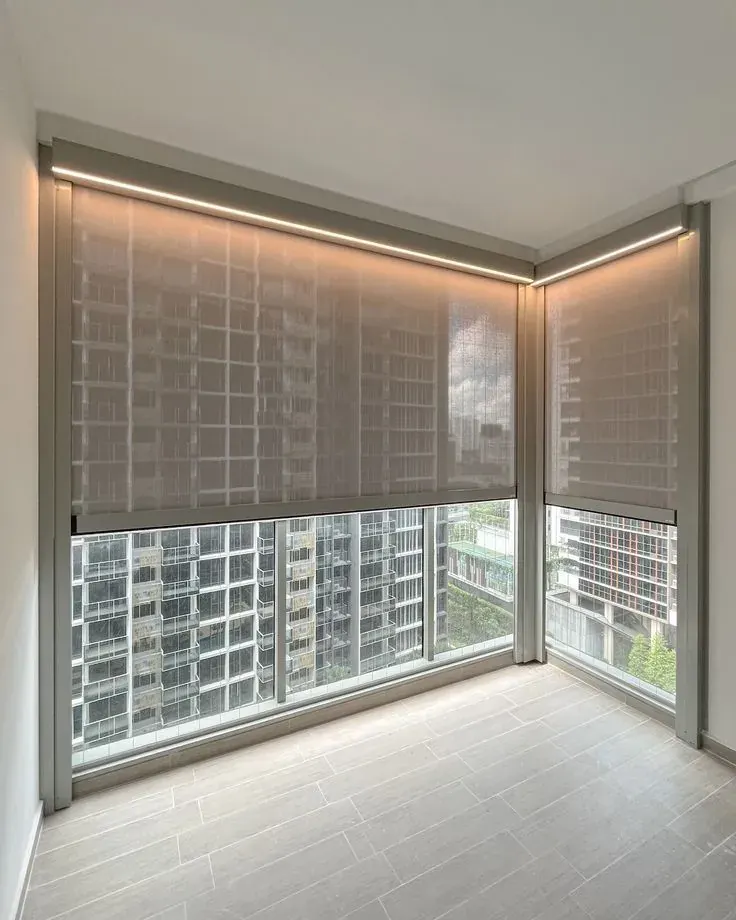
Indianapolis
Marion County
Free inspections · written scopes and photo documentation on every project.
Window treatment by Indianapolis Window Treatments near Fountain Square, IN
Fountain Square
Marion County
Free in-home measures scheduled in Fountain Square.
Window treatment by Indianapolis Window Treatments near Rocky Ripple, IN
Rocky Ripple
Marion County
Every opening measured three ways before anything gets ordered in Rocky Ripple.
Window treatment by Indianapolis Window Treatments near Beech Grove, IN
Beech Grove
Marion County
Light gaps and lead times written down before you order in Beech Grove.
Window treatment by Indianapolis Window Treatments near Wynnedale, IN
Wynnedale
Marion County
Custom blinds, shades, shutters and drapery fitted in Wynnedale.
Window treatment by Indianapolis Window Treatments near Spring Hill, IN
Spring Hill
Marion County
Motorized shade limits set and scenes built on site in Spring Hill.
Window treatment by Indianapolis Window Treatments near Speedway, IN
Speedway
Marion County
Service on treatments we did not install, across Speedway.
Window treatment by Indianapolis Window Treatments near Crows Nest, IN
Crows Nest
Marion County
Free in-home measures scheduled in Crows Nest.
At a Glance

Window Treatment Systems Compared in Indianapolis

Quick reference for the products we specify most often in these homes. Pricing reflects typical Indianapolis installations.

Every situation is different. The ranges below reflect typical Indianapolis installations. Your project may price lower or higher depending on what our free in-home measure finds. How many openings you are covering, how big they are, whether any are out of square or a specialty shape, the fabric or material tier, and whether you motorize all affect the final number.
Faux Wood Blinds
Bathrooms, kitchens, laundry rooms and anywhere humidity would move real wood
$55-$300+ per window
Wood Blinds
Conditioned rooms where the grain and the stain match existing millwork
$70-$400+ per window
Vertical Blinds
Sliding doors, wide spans and tall narrow windows
$60-$350+ per opening
Aluminum Mini Blinds
Rentals, utility rooms, garages and commercial spaces where cost per opening rules
$25-$140+ per window
Roller Shades
A clean modern line where the fabric does the work and the hardware disappears
$70-$450+ per window
Solar Shades
West and south glass where you want the view kept and the glare cut
$80-$520+ per window
Cellular Shades
Both seasons: the only product in this trade with measured insulating numbers
$70-$350+ per window
Zebra Shades
Rooms that need a view in the morning and privacy at night from one product
$95-$400+ per window
Roman Shades
Softness and fabric where a hard treatment would feel wrong
$120-$600+ per window
Woven Wood Shades
Warmth and texture, with or without a privacy liner
$110-$500+ per window
Blackout Shades
Bedrooms, nurseries and media rooms where the room genuinely has to go dark
$90-$550+ per window
Plantation Shutters
A permanent architectural finish that stays with the house
$175-$800+ per window
Cafe Shutters
Street-facing rooms that need privacy at sitting height and daylight above
$150-$550+ per window
Motorized Shades
High openings, whole-room scenes and windows nobody will otherwise touch
$300-$1,500+ per window installed
Custom Drapery
Finishing a room, and blackout in bedrooms where a shade alone will not do it
$300-$4,000+ per window
Valances & Top Treatments
Hiding hardware and finishing a window that already has a shade
$120-$700+ per window
Exterior Solar Shades
Patios, porches and west walls where the heat has to stop outside the glass
$600-$3,500+ per opening
Retractable Awnings
Making a patio usable from May through September
$1,000-$6,000+ installed
Commercial Window Treatments
Offices, healthcare, education, hospitality and multifamily
$12-$45 per square foot installed
Skylight Shades
Skylights and angled glass where heat builds and nothing is reachable by hand
$300-$1,200+ per opening
Sliding Glass Door Blinds
Patio doors and wide sliders that need a one-way draw and a clear walk path
$250-$1,400+ per opening
Panel Track Blinds
Wide openings where a vertical stack would be heavy and a panel glide reads cleaner
$200-$900+ per opening
Sheer Shades
Front rooms that want daylight and privacy at the same time without a hard blackout
$180-$900+ per window
Pleated Shades
Secondary bedrooms, offices and rentals where cellular is more shade than the room needs
$70-$350+ per window
Bamboo Shades
Sunrooms and casual rooms where a natural weave suits the millwork
$120-$600+ per window
Dual Shades
Rooms that need a day setting and a night setting on the same roller tube
$150-$800+ per window
Top-Down Bottom-Up Shades
Street-facing rooms where you want the top light and the bottom privacy
$150-$750+ per window
Cordless Blinds
Homes with young children or pets, where an accessible cord is the wrong answer
$70-$400+ per window
Hardwood Shutters
Conditioned rooms where real wood grain is the point and humidity is controlled
$250-$900+ per window
Composite Shutters
Baths, kitchens and basements where a hardwood panel would move
$175-$700+ per window
Smart Home Shade Integration
Existing motorized shades that need scenes, schedules or app and voice control
$150-$600+ per hub or bridge
Blind Repair & Restring
A blind that still fits the opening but has a failed cord lock, clutch or ladder string
$45-$250+ per unit
Shutter Repair
A broken tilt rod, a loose louver pin or a hinge that has pulled from the frame
$60-$300+ per panel
Motorization Retrofit
Manual shades that fit fine but are out of reach or too many to operate by hand
$200-$800+ per shade
Outdoor Patio Shades
Covered patios and porches taking direct west sun through the afternoon
$400-$2,500+ per opening
Office Window Treatments
Open-plan floors, conference rooms and private offices with screen glare
Quoted per project
Healthcare Window Treatments
Clinics and care facilities needing cleanable surfaces and cordless operation
Quoted per project
Multifamily Window Treatments
Apartment communities and build-to-rent needing one repeatable spec per plan
Quoted per unit at volume

Typical Indianapolis market ranges as of 2026. The plus sign on upper numbers means your project may exceed the listed maximum based on inspection findings. Get a written scope and quote at no cost.

See the full Indianapolis window treatment pricing guide →
From the blog

Helpful guides for Indianapolis homeowners

Read all articles →

Expert Indianapolis Window Treatment Crews Available Now

Tell us the room that's the problem, or hand us a whole house of bare openings. Either way you get the district answer, a measure in your own light and a written quote.

Service area

Serving Indianapolis and the surrounding area

Call NowGet Quote
Window treatments in Indianapolis? Tap to call (317) 854-7158